
If you’re comparing Aventon vs Specialized in 2026, you’re really asking a bigger question: how much does premium engineering matter to you, and how much are you willing to pay for it?
Both brands make excellent electric bikes, but they approach the market very differently.
Aventon focuses on delivering strong specifications, modern technology, integrated security features, and competitive prices, with much of its business built around direct online sales.
Specialized comes from a much longer traditional cycling background. The company has been building bicycles since 1974 and has developed its own Turbo electric-drive systems around the specific riding characteristics of its bikes.
That difference shows up throughout the ownership experience, from motor tuning and ride quality to pricing, dealer support, and the types of bikes each brand offers.
I compared the current 2026 lineups across motor performance, torque sensing, range, comfort, build quality, smart features, pricing, and the major categories where the two brands actually compete.
Here’s where each brand wins.
Aventon vs Specialized: Quick Comparison
| Category | Aventon | Specialized |
| Best for | Value, technology, security, and everyday practicality | Premium engineering, ride refinement, and dealer support |
| Motor approach | Hub motors plus A100 mid-drive | Proprietary Turbo mid-drive systems |
| Torque sensing | Standard on most current models | Standard across current Turbo platforms |
| Ride feel | Sporty, responsive, tech-focused | Highly refined and natural |
| Commuter e-bikes | Excellent value | More premium and polished |
| Lightweight e-bikes | Soltera 2.5 and Soltera 3 ADV | Turbo Vado SL 2 |
| Mid-drive e-bikes | Ramblas ADV, Aventure M and others | Extensive Turbo mid-drive lineup |
| Cargo e-bikes | Abound LR and Abound SR | No direct dedicated cargo equivalent |
| Smart security | 4G/GPS, app connectivity and anti-theft features on select models | Digital locks, motor lock and Apple Find My on select models |
| Dealer support | 2,000+ bike shops | Large global dealer network |
| Starting price | Around $1,199 for current entry-level models | Around $3,500 for current Turbo models |
| Overall value | Excellent | Premium |
The biggest difference is simple: Aventon gives you more equipment for the money, while Specialized puts more emphasis on engineering, ride refinement, and the traditional bike-shop experience.
What’s the Difference Between Aventon and Specialized?
The easiest way to understand Aventon vs Specialized is to look at how each brand approaches electric bikes.
Aventon is built around accessible pricing and technology. Its current lineup includes everything from the lightweight Soltera 2.5 to the fat-tire Aventure 3, commuter-focused Level 4 REC, cargo Abound models, and Ramblas ADV electric mountain bike.
Many of its current models also incorporate the Aventon Control Unit, which brings features such as app connectivity, GPS tracking, and anti-theft functionality to compatible bikes.
If you’re deciding between Aventon’s own models first, our guide to which Aventon electric bike is best for you is a good starting point.
Specialized comes from a much longer cycling heritage. Founded in 1974, the company has built a reputation around conventional bicycles as well as premium electric bikes.
Its Turbo lineup includes commuter bikes such as the Turbo Vado, lightweight models such as the Turbo Vado SL 2, and high-performance mountain bikes such as the Turbo Levo 4 and Turbo Kenevo SL 2. Specialized also offers the Turbo Creo 2 for electric gravel and road riding.
Specialized’s approach is less about competing directly with Aventon’s prices and more about integrating the motor, battery, frame, suspension, and ride characteristics into a complete bicycle.
That’s why the price difference can be substantial.
Motor Power: Aventon vs Specialized
Both brands deliver plenty of power, but the numbers need to be interpreted differently.
Aventon’s hub-motor bikes generally range from the mid-500W class to 750W, depending on the model. The Ramblas ADV takes a different approach, using Aventon’s A100 mid-drive motor with up to 100Nm of torque.
That gives Aventon a particularly interesting range of motor configurations. You can buy a relatively affordable hub-motor commuter or fat-tire bike, or move into a more sophisticated mid-drive eMTB.
Specialized relies much more heavily on proprietary mid-drive systems. Its Turbo motors are designed around the individual bike rather than simply being selected as a generic motor specification.
The current Turbo Levo 4 family, for example, offers models with up to 105Nm or 111Nm of torque and substantial peak power. The Turbo Vado family is tuned more toward transportation and commuting, while the Levo is built around trail performance.
This is why comparing wattage alone can be misleading.
A 750W hub motor and a lower-rated mid-drive motor can produce very different riding experiences because gearing, torque delivery, motor control, frame geometry, and the rider’s pedaling input all matter.
Winner: Specialized
If we’re judging motor refinement rather than simply looking at the biggest wattage number, Specialized has the advantage.
Aventon’s motors are capable and often much better value, but Specialized has more experience integrating its drive systems with the rest of the bicycle.
Torque Sensors and Ride Feel
Both brands have embraced torque sensing across much of their current electric-bike lineups.
A torque sensor measures how hard you’re pushing the pedals and adjusts motor assistance accordingly. The result is generally more natural than the on-off feeling associated with basic cadence-only systems.
Aventon uses torque sensors across most of its current lineup, while select models also offer additional pedal-assist flexibility through features such as Sensor Switch.
The riding experience is generally responsive and sporty.
Specialized takes torque sensing a step further through its proprietary motor control. Because the company develops the motor system around the bicycle, it can tune how quickly assistance arrives, how strongly it responds to pedal pressure, and how the motor tapers assistance as you approach the bike’s maximum assisted speed.
That produces the particularly smooth feeling Specialized is known for.
Our guide to what pedal assist is on an electric bike explains the differences between torque and cadence sensing in more detail.
Winner: Specialized
Aventon’s torque-sensing bikes are good, but Specialized has the edge in overall motor and sensor refinement.
Range and Battery Size
Range is one area where comparing the brands gets complicated.
Aventon’s batteries vary substantially across the lineup. Smaller city bikes such as the Soltera 2.5 prioritize low weight, while larger models such as the Aventure 3, Level 4 REC, and Abound use considerably larger batteries.
The Aventure 3, for example, is rated for up to 65 miles, while the Level 4 REC is rated for up to 75 miles depending on configuration and riding conditions.
Specialized takes a similar approach but also has a major lightweight advantage with its SL platform.
The Turbo Vado SL 2 uses a smaller, lighter motor and battery system than the full-power Vado. That reduces weight and makes the bike feel closer to a conventional bicycle.
The tradeoff is that the biggest Specialized batteries and full-power systems are generally found on much more expensive bikes.
And, as always, claimed range is not the same thing as real-world range.
Actual range depends on:
- Rider weight
- Terrain and hills
- Wind and temperature
- Tire pressure
- Assist level
- Average speed
- Throttle use
- Cargo weight
If you’re a heavier rider specifically, check our guide to the best electric bikes for heavy riders.
Winner: Split
Specialized has excellent battery and motor integration, particularly on its premium bikes, while Aventon offers impressive battery capacity at substantially lower prices.
Comfort and Ride Quality
This is where Specialized begins to justify its higher prices.
Aventon makes comfortable electric bikes. Depending on the model, you’ll find suspension forks, suspension seatposts, adjustable stems, wide tires, and upright riding positions.
The Aventure 3 is particularly comfortable on rough pavement because of its fat tires and suspension setup.
But Specialized has spent decades developing bicycle geometry and suspension systems, and that experience is evident in its higher-end models.
The Turbo Vado is designed around comfortable transportation, while the Vado SL 2 aims for a lighter, more bicycle-like ride. The Turbo Levo family takes the same philosophy into mountain biking, with geometry and suspension designed specifically for trail use.
Specialized also incorporates technologies such as Future Shock on certain models to improve front-end comfort.
Winner: Specialized
Aventon offers very good comfort for the money, but Specialized has the advantage when the priority is overall ride refinement.
Build Quality and Durability
Both brands build solid electric bikes, but the comparison changes when you move up the price range.
Aventon’s recent models have improved considerably in fit, finish, component integration, and overall refinement.
For riders spending around $1,500 to $2,500, Aventon gives you a lot of bicycle for the money.
Specialized operates at a different price level. Its frames, motor systems, components, suspension systems, and electronic integration are designed around a premium cycling experience.
That doesn’t mean an Aventon will fail sooner simply because it costs less. It means Specialized has invested heavily in engineering and component integration, particularly on its high-end models.
Specialized also benefits from its dealer-based service model, which can make long-term ownership easier for riders who prefer professional maintenance.
Both brands use hydraulic disc brakes across many current models, although specifications vary by bike.
If portability matters to you, our guide to how much the average electric bike weighs is worth reading.
Winner: Specialized
Specialized’s engineering depth and premium component integration give it the advantage, although Aventon remains very competitive for the money.
Security and Smart Features
This is one category where Aventon has a meaningful advantage.
Many current Aventon models use the Aventon Control Unit, bringing features such as 4G-connected GPS tracking, app connectivity, movement alerts, and electronic security features.
That’s particularly valuable if you’re leaving an expensive e-bike outside a coffee shop, workplace, or apartment building.
Specialized also offers genuine anti-theft technology on select models.
Depending on the bike, this can include digital locking, motor-disabling features, app-based security, and Apple Find My integration.
The difference is that Aventon’s current security ecosystem puts cellular GPS tracking and connected anti-theft features much closer to the center of its product strategy.
Winner: Aventon
If integrated connected security is high on your list, Aventon has the stronger proposition.
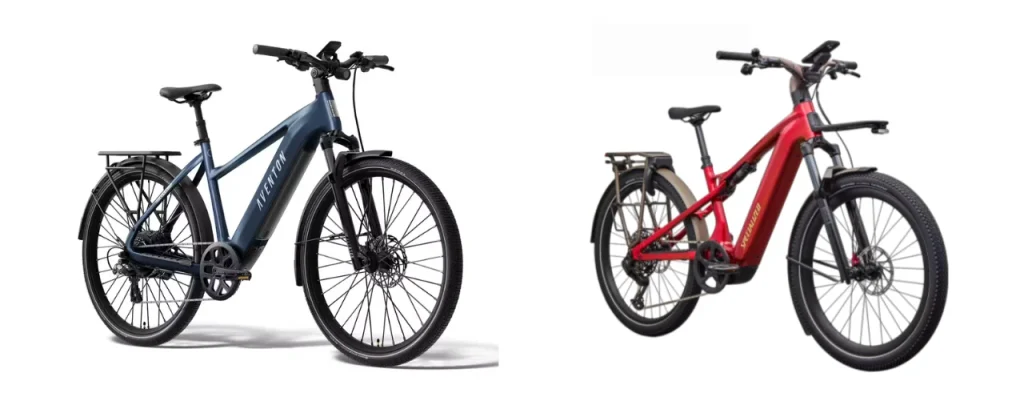
Commuter E-Bikes: Aventon Level 4 REC vs Specialized Turbo Vado
This is one of the clearest examples of the Aventon vs Specialized price difference.
The Aventon Level 4 REC is designed as a practical commuter with a 750W hub-drive motor, torque sensing, suspension, integrated lighting, regenerative braking, and connected security features.
It sits around the $2,000 price point.
The Specialized Turbo Vado family occupies a considerably higher price range. Current Vado models use Specialized’s proprietary Turbo systems and offer features such as integrated batteries, suspension, premium components, and sophisticated electronic security on select versions.
The latest Vado 3 family also expands the lineup into more capable all-terrain and premium transportation models.
So what do you actually get for the extra money?
The Level 4 REC gives you a lot of useful technology without requiring a huge budget.
The Vado gives you a more refined bicycle platform, a stronger dealer relationship, and a broader premium ecosystem.
Winner: Split
For value and connected features, choose the Level 4 REC.
For premium ride quality, dealer support, and long-term refinement, the Turbo Vado is the stronger choice.
Lightweight E-Bikes: Aventon Soltera 2.5 vs Specialized Turbo Vado SL 2
This is probably the biggest difference between the two brands.
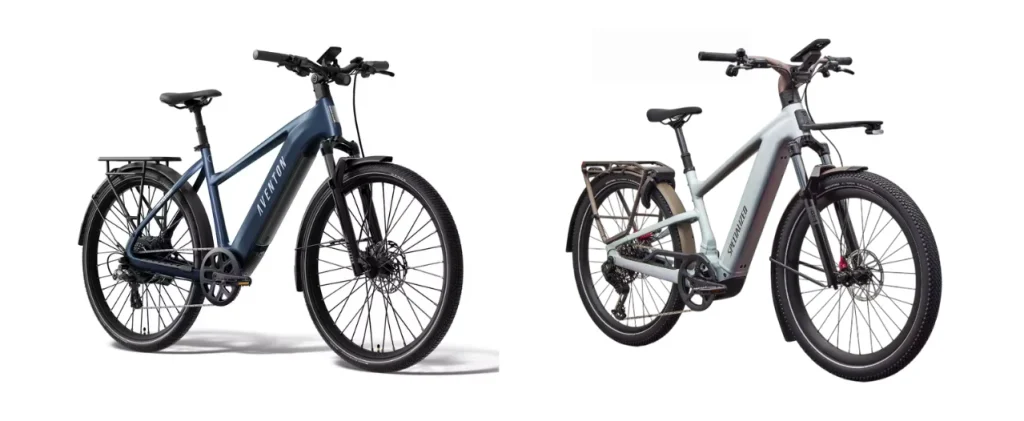
The Aventon Soltera 2.5 is a relatively lightweight and affordable city e-bike. It uses a 7-speed drivetrain, torque sensing, and a 540W peak motor, with a claimed range of up to 46 miles.
At around 46 pounds, it is considerably easier to handle than many full-size electric bikes.
The Specialized Turbo Vado SL 2 takes lightweight electric-bike design much further.
The SL platform uses a compact motor and smaller battery system to create a bike that feels significantly closer to a conventional bicycle.
Depending on the exact configuration, Vado SL 2 models can come in well below the weight of most full-power electric commuters.
The downside is obvious: price.
The Vado SL 2 costs several times more than a Soltera 2.5 in many configurations.
Winner: Specialized
If minimum weight and natural ride quality matter more than price, Specialized wins easily.
If you simply want an affordable, reasonably light city e-bike, the Soltera 2.5 makes far more financial sense.
Electric Mountain Bikes: Aventon Ramblas ADV vs Specialized Turbo Levo
This is where Specialized’s mountain-bike heritage becomes especially important.
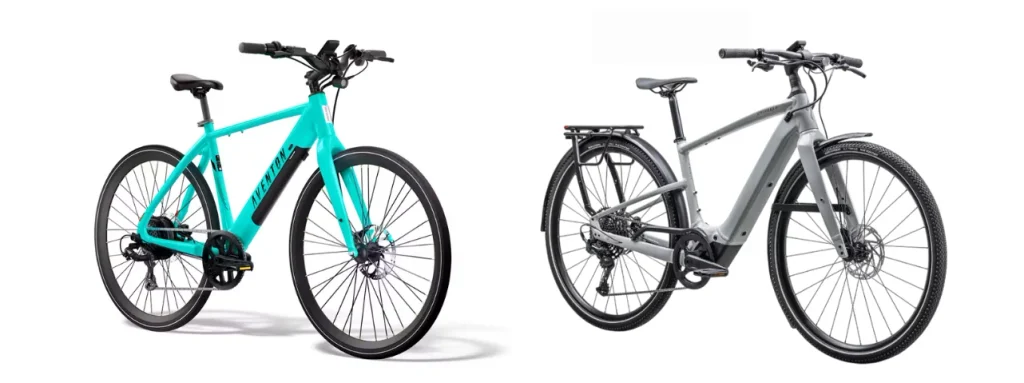
The Aventon Ramblas ADV uses the company’s A100 mid-drive motor with up to 100Nm of torque. It combines that motor with a hardtail mountain-bike platform, suspension fork, SRAM drivetrain, and trail-oriented components.
At roughly $2,900, it is aggressively priced for a mid-drive electric mountain bike.
The Specialized Turbo Levo family sits much higher in the market.
Current Levo models use Specialized’s proprietary Turbo Full Power systems, with some current versions producing up to 105Nm or 111Nm of torque. Higher-end versions also receive premium suspension, brakes, wheels, and drivetrain components.
The difference isn’t simply motor power.
Specialized has decades of mountain-bike development behind its frame geometry and suspension designs, and that matters once you’re riding technical trails.
The Ramblas is a very attractive option for someone who wants a capable mid-drive eMTB without spending Levo money.
The Levo is aimed at riders who want a more sophisticated trail platform and are prepared to pay for it.
Winner: Specialized
For serious trail riding and premium performance, the Turbo Levo is in another class.
For value, the Ramblas is extremely compelling.
Where the Two Brands Stop Overlapping
The two brands have increasingly different product portfolios.
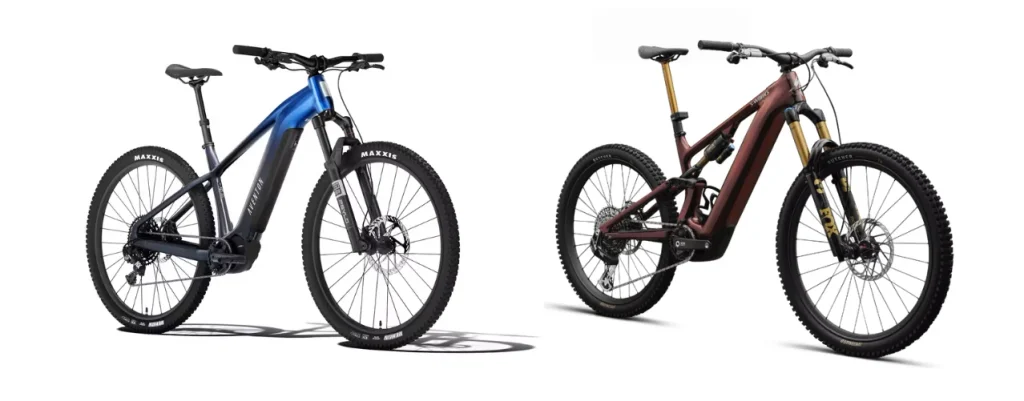
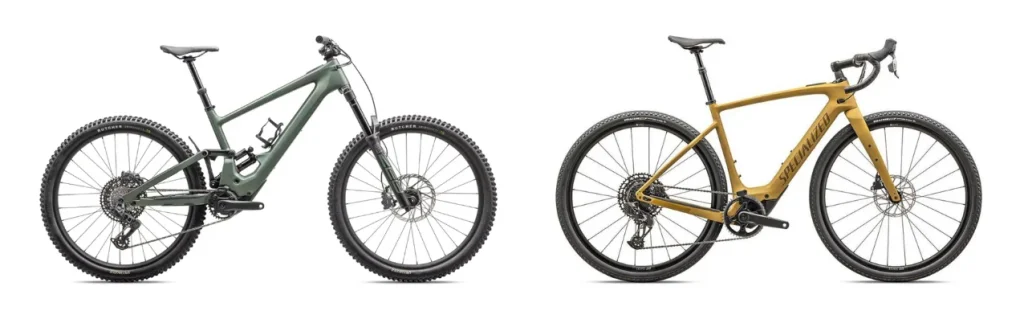
Specialized offers electric bikes for categories where Aventon currently has no direct equivalent, including electric gravel bikes and high-performance downhill/enduro eMTBs.
The Turbo Creo 2 is Specialized’s electric gravel and road-oriented platform, while the Turbo Kenevo SL 2 targets aggressive enduro and downhill-style riding.
Aventon, meanwhile, has an important category Specialized doesn’t directly match: dedicated cargo e-bikes.
Value for Money
This category clearly belongs to Aventon.
Aventon’s current lineup includes bikes around the $1,200 to $2,900 range, giving buyers access to torque sensing, large batteries, connected security, suspension, and even mid-drive motors without entering premium-bike pricing.
Specialized starts much higher.
That doesn’t make Specialized overpriced. You’re paying for proprietary motor development, premium frames and components, dealer support, professional assembly, and a much deeper high-end cycling ecosystem.
But if your question is simply:
“How much e-bike can I get for my money?”
Aventon has the advantage.
Our guide to the best electric bikes under $2,000 is useful if value is your main priority.
Winner: Aventon
Customer Support and Dealer Network
This is where Specialized has a major advantage.
Aventon has grown its physical support network substantially and currently says it has 2,000+ bike shops where customers can get test rides and service.
That’s a significant advantage for a direct-to-consumer brand.
Specialized, however, has spent decades building a global dealer network.
When you buy a Specialized e-bike through a dealer, you’re also buying access to professional assembly, fitting, maintenance, warranty support, and a local relationship.
For an expensive e-bike, that can be worth a lot.
Winner: Specialized
Aventon’s dealer network is now strong enough to make ownership much easier than the old direct-to-consumer model suggested.
But Specialized still has the advantage in dealer infrastructure.
Aventon vs Specialized: Category Winners
| Category | Winner | Why |
| Motor performance | Specialized | More refined proprietary motor systems |
| Torque sensing | Specialized | Excellent motor and sensor integration |
| Range | Split | Strong batteries on both, different priorities |
| Comfort | Specialized | Refined geometry and suspension technology |
| Build quality | Specialized | Premium engineering and component integration |
| Commuters | Split | Aventon value vs Specialized refinement |
| Lightweight | Specialized | Vado SL 2 platform is exceptionally light |
| Electric mountain bikes | Specialized | Stronger premium trail ecosystem |
| Cargo | Aventon | Dedicated Abound platform |
| Smart security | Aventon | Strong connected GPS and anti-theft ecosystem |
| Value for money | Aventon | Much lower prices |
| Dealer support | Specialized | Deeper traditional dealer network |
| Overall affordability | Aventon | More accessible across the lineup |
Who Should Choose Specialized?
Specialized is probably the better choice if you want:
- Proprietary Turbo motor systems
- A highly refined natural ride feel
- Premium frame and component integration
- Professional assembly and local dealer support
- A lightweight SL platform
- Serious mountain-bike performance
- Electric gravel and specialty performance bikes
- A long-established cycling brand with a large dealer network
Specialized makes the most sense if your budget is flexible and you care more about ride quality, engineering, service, and long-term cycling performance than getting the lowest possible price.
Who Should Choose Aventon?
Aventon may be the better choice if you want:
- Significantly lower prices
- Strong specifications for the money
- Integrated 4G/GPS security on compatible models
- App-based smart features
- A dedicated cargo-bike platform
- Torque sensing without premium-bike pricing
- Fat-tire options such as the Aventure 3
- An affordable mid-drive option such as the Ramblas ADV
- The convenience of shopping online
Aventon makes the most sense if you want a genuinely capable e-bike without paying several thousand extra dollars for premium engineering.
Aventon vs Specialized: Which Should You Buy?
So, Aventon vs Specialized: which is better?
The answer depends heavily on your budget and what you expect from the bike.
If you’re shopping around the $1,200 to $2,500 range, Aventon is usually the more compelling choice. Its current lineup gives you access to features that used to be associated with considerably more expensive e-bikes.
The Level 4 REC is a strong example. You get a powerful commuter platform, torque sensing, suspension, connected security, and useful technology without entering Specialized territory on price.
The Aventure 3 makes a similar argument in the fat-tire category.
And the Ramblas ADV gives Aventon a surprisingly serious presence in the mid-drive eMTB market.
But if you’re prepared to spend $3,500, $5,000, $7,000 or more, Specialized becomes increasingly difficult to dismiss.
The Turbo Vado SL 2 demonstrates what happens when low weight becomes a major engineering priority.
The Turbo Vado offers a more premium transportation platform.
And the Turbo Levo shows what Specialized can do when the goal is serious mountain-bike performance rather than simply making an affordable electric bicycle.
So the question isn’t really whether Specialized is better than Aventon.
At the premium end, Specialized is better engineered for demanding riders.
At the value end, Aventon is often the smarter buy.
If you’re still narrowing things down by speed class, our guides to the best Class 2 electric bikes and the best Class 3 electric bikes can help.
The Bottom Line
Specialized wins overall for premium motor refinement, ride quality, mountain-bike performance, lightweight engineering, and dealer support.
Aventon wins for value, connected security, affordability, and practical everyday features.
But the real takeaway is this:
Don’t pick the brand first. Pick the bike first, and be honest about your budget.
If you want the most refined electric-bike experience and you’re willing to pay for it, Specialized deserves serious consideration.
If you want strong performance, useful technology, and modern security without spending several thousand dollars more, Aventon is a very smart choice.
If cargo capability matters most, compare the Aventon Abound SR and Abound LR against your alternatives, because Specialized currently doesn’t offer a direct dedicated cargo-bike equivalent.
There isn’t one universal winner here.
Aventon is the better value brand. Specialized is the better premium brand.
Once you decide how much you’re willing to spend and what kind of riding you’ll actually do, the right choice becomes much easier.
Don’t pick the brand first. Pick the bike first.