
In this Velotric Breeze 1 e-bike review, we take a close look at one of the lightest, most approachable e-bikes you can buy for around $1,799. Most lightweight electric bikes ask you to give up power to save weight. Velotric built the Breeze 1 to prove that trade-off doesn’t have to exist.
The cruiser e-bike category is full of bikes that feel bulky and intimidating, especially for shorter or newer riders. The Breeze 1 goes a different direction. It pairs a genuinely powerful 750W motor with a frame that weighs just 48 lbs total, then adds SensorSwap technology, Apple Find My tracking, and a color display, all wrapped inside a low step-thru design built for comfort.
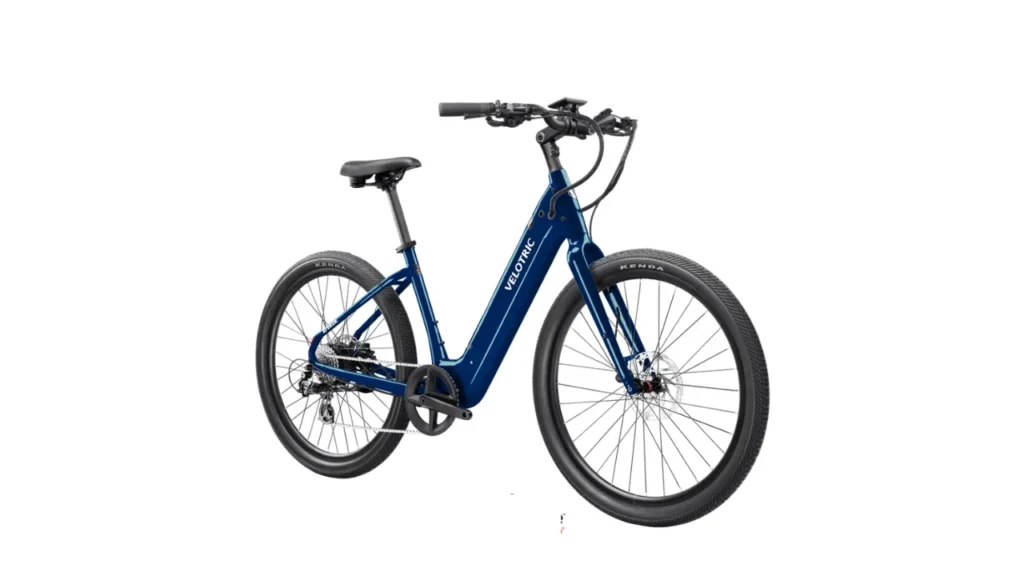
For around $1,799, you get a 750W rear hub motor with 65Nm of torque, a 48V, 627Wh removable battery good for up to 70 miles, Tektro hydraulic disc brakes, and a low step-thru frame rated to carry up to 330 lbs. All while weighing just 48 lbs with the battery installed.
Is it still the best lightweight cruiser e-bike in 2026? Let’s find out.
VERDICT The Breeze 1 is one of the most impressively balanced lightweight electric bikes you can buy at this price. Its strong torque-to-weight ratio, dual sensor flexibility, and genuine portability punch well above what a 48 lb frame usually delivers. The lack of a suspension fork and the absence of a standard rear rack are the two honest trade-offs worth thinking through before you buy.
At-a-Glance Rating Scorecard
Scores based on spec analysis, verified customer review data, and hands-on assessment against class competitors.
Build Quality & Frame ████████░░ 8.7/10
Motor & Torque Performance ████████░░ 8.6/10
Battery Life & Range ████████░░ 8.5/10
Comfort & Ride Quality █████████░ 9.0/10
Safety Features ████████░░ 8.2/10
Rider Ergonomics █████████░ 9.2/10
Smart Tech & Display █████████░ 9.0/10
Value for Money ████████░░ 8.4/10
OVERALL SCORE: 8.7 / 10 ★★★★★★★★░☆
Who Is This Bike For?
✅ IDEAL FOR Riders who want the lightest, most manageable e-bike they can find without sacrificing motor power, shorter or newer riders who value an easy-to-handle frame, and anyone who wants the flexibility to switch between torque and cadence sensing on the fly.
⚠️ NOT IDEAL FOR Riders who want a suspension fork for rough pavement, anyone who needs a rear rack and fenders included out of the box, or riders who plan to haul heavy cargo regularly.
👉 [Check Current Price on Velotric’s Official Website]
Velotric Breeze 1
Full Technical Specifications
| Feature | Specification |
| Motor System | Rear Hub, 750W Rated / Up to 1,150W Peak |
| Motor Torque | 65 Nm |
| Top Speed | 20 mph (Class 2) Stock, Adjustable to 28 mph (Class 3) |
| Battery | 48V, 13.4Ah (627Wh), Removable, UL 2271 Certified |
| Real-World Range | 35 to 74 miles (Depending on PAS level and terrain) |
| Sensor | SensorSwap Technology, Toggle Between Torque and Cadence |
| Brakes | Tektro Hydraulic Disc Brakes, 180mm Rotors |
| Suspension | Rigid Fork, No Front Suspension |
| Frame Material | Aluminum, Low Step-Thru Design, Two Frame Sizes |
| Standover Height | 15 inches (380mm) |
| Payload Capacity | Up to 330 lbs |
| Bike Weight | 48 lbs (with battery) / 42 lbs (battery removed) |
| Security | Apple Find My Integration, No Built-In Lock |
| Tires | Kenda 27.5″x2.2″ Commuter Tires |
| Water Resistance | Bike IPX6, Battery IPX7 |
| Display | 3.5″ Full Color, Bluetooth Connected |
| Throttle | Trigger-Control, Removable |
| Pedal Assist | 3 Riding Modes x 5 Assist Levels |
| Charger | 48V, 3.0A Fast Charger, 4-6 Hour Full Charge |
| Lights | 400 Lumen Front Headlight, Rear Twin Taillights with Turn Signals |
| USB Port | USB Type-C |
| Certification | UL 2271 (Battery), UL 2849 (Full Electrical System) |
| Warranty | 2 Years |
| Extras | Rear Rack and Fenders Sold Separately |
| Price | Starting around $1,799 |
Pros & Cons
An honest assessment of what the Breeze 1 gets right, and where it makes trade-offs.
Pros
- Impressively Lightweight: At just 48 lbs with the battery, this e-bike is one of the easiest to lift, carry, or maneuver in its power class.
- Strong Torque for Its Weight: 65Nm of torque handles hills with ease, especially given how little the bike itself weighs.
- SensorSwap Technology: Switch between a torque sensor for natural power and a cadence sensor for relaxed cruising, all in the same ride.
- Genuinely Impressive Range: Real-world testing shows results well above the advertised 70 miles under the right conditions.
- Apple Find My Integration: A useful layer of security without needing a separate tracking subscription.
- UL 2849 Certified: Covers the entire electrical system, not just the battery, for meaningful peace of mind.
- Removable Battery: Charge indoors without needing to bring the whole e-bike inside.
Cons
- No Suspension Fork: The rigid front end keeps weight down but transmits more road vibration than a suspended fork would.
- No Rack or Fenders Included: Both are sold as add-ons rather than coming standard, unlike some competitors.
- Lower Payload Than Larger Siblings: At 330 lbs, it carries less than Velotric’s heavier Discover lineup.
- Smaller Battery Than Some Competitors: The 627Wh pack trades some range for the bike’s low overall weight.
Velotric Breeze 1 E-Bike Review
Design & Build Quality
Frame Architecture
The Breeze 1 is built around a low step-thru aluminum frame with a standover height of just 15 inches, making mounting and dismounting genuinely effortless. It comes in two frame sizes, and Velotric specifically designed this electric bike to be accessible for riders of different heights and builds. That said, riders on the taller end should double check fit against general sizing guidance for electric bikes built with taller riders in mind, since a cruiser like this leans toward compact geometry.
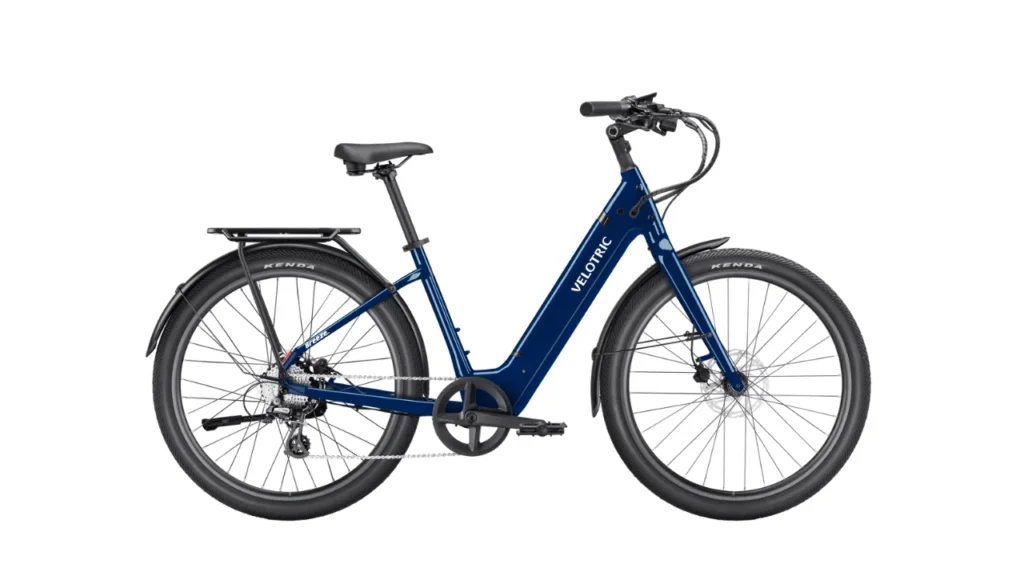
What stands out most here is just how little the Breeze 1 weighs. At 48 lbs with the battery installed, it’s genuinely one of the lightest electric bikes in its power class, especially compared to the bulkier frames common on similarly powered competitors. That kind of low weight makes a real difference when it comes to transporting an electric bike by car, rack, or stairs, which is often an overlooked factor when shopping by spec sheet alone.
Cockpit and Controls
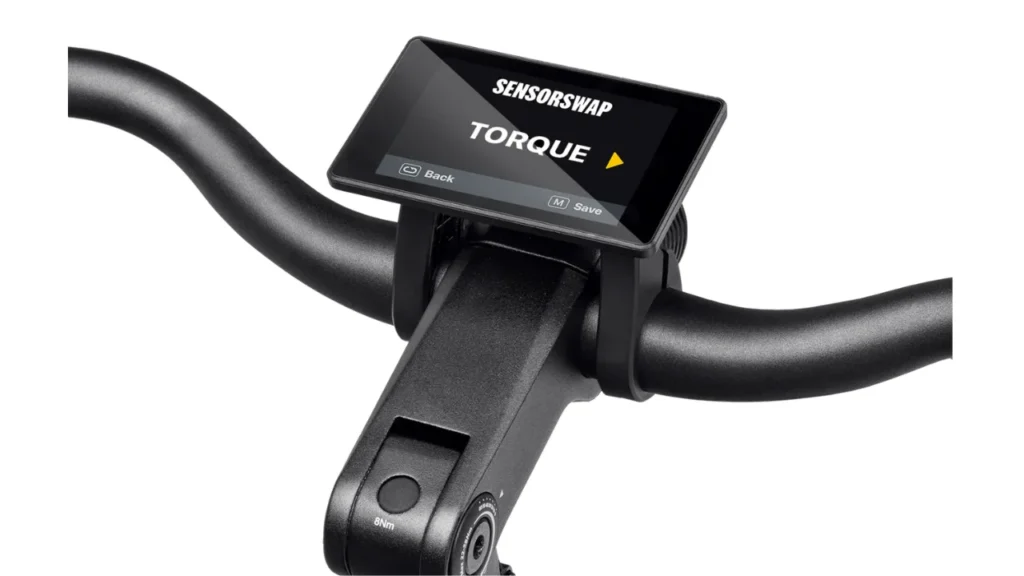
The 3.5-inch full color display is bright, easy to read, and Bluetooth connected for pairing with the Velotric app. A USB-C port lets you charge a phone on the go, and the removable trigger throttle gives riders the flexibility to pull it off entirely if they prefer a pure pedal-assist ride.
Build Finish and Components
Kenda 27.5″x2.2″ commuter tires strike a solid balance between rolling efficiency and comfort, and the ComfortMax saddle adds a genuinely plush touch for longer rides. Since there’s no suspension fork, the ride quality leans more on the tires and saddle to soak up bumps, which works well on paved streets but is worth knowing about if your rides include rougher terrain.
Battery Life & Real-World Range Analysis
HONEST RANGE FIGURE
Velotric lists up to 70 miles of range for the Breeze 1. Independent testing has actually exceeded that figure under favorable conditions, with results ranging from about 36 milesin a max-power test to roughly 74 milesin a min-power test. That’s a wide spread, and it reflects just how much riding mode and sensor choice affect real-world range on this e-bike. Treat 70 miles as a realistic middle-ground expectation for mixed riding, with genuine potential to stretch further if you ride gently.
The 48V, 627Wh battery is removable and UL 2271 certified, while the bike itself carries UL 2849 certification covering the full electrical system. The included 3.0A fast charger delivers a full charge in 4 to 6 hours, quicker than the 5 to 7 hour charge times common on larger batteries. It’s also worth knowing roughly how much it costs to charge an electric bike at home, since a battery this size adds up to pennies per charge over the life of the bike.
PRO TIP: Riders who want to maximize range should stick with torque sensor mode and keep tire pressure around 60 PSI. Velotric specifically recommends this combination for the best real-world efficiency on the Breeze 1.
Motor Performance & On-Road Handling
SensorSwap Technology
The Breeze 1 runs a 750W rear hub motor that peaks around 1,150W, delivering 65Nm of torque. That’s a genuinely strong output for a bike this light, and it’s backed by Velotric’s SensorSwap technology, which lets riders toggle between a torque sensor and a cadence sensor.
Riders picking up their first electric bike will want to spend some time with the basics of how to ride an electric bike safely before exploring the higher assist levels. Torque mode delivers smooth, proportional power that feels like an extension of your own pedaling, while cadence mode offers steadier, more relaxed assist for cruising.
No Suspension Trade-Off
Unlike Velotric’s heavier Discover lineup, the Breeze 1 skips the suspension fork entirely to help keep weight down. That’s a reasonable trade-off for a bike this light, but riders coming from a suspended e-bike will notice more road feedback on cracked pavement or rough surfaces.
Braking Performance
Tektro hydraulic disc brakes with 180mm rotors provide confident, consistent stopping power in wet or dry conditions. That kind of braking power matters given how quick this motor is off the line. Riders curious how a 750W setup like this translates into real-world speed can check out how fast a 750W electric bike can actually go for more context.
On-Road Handling
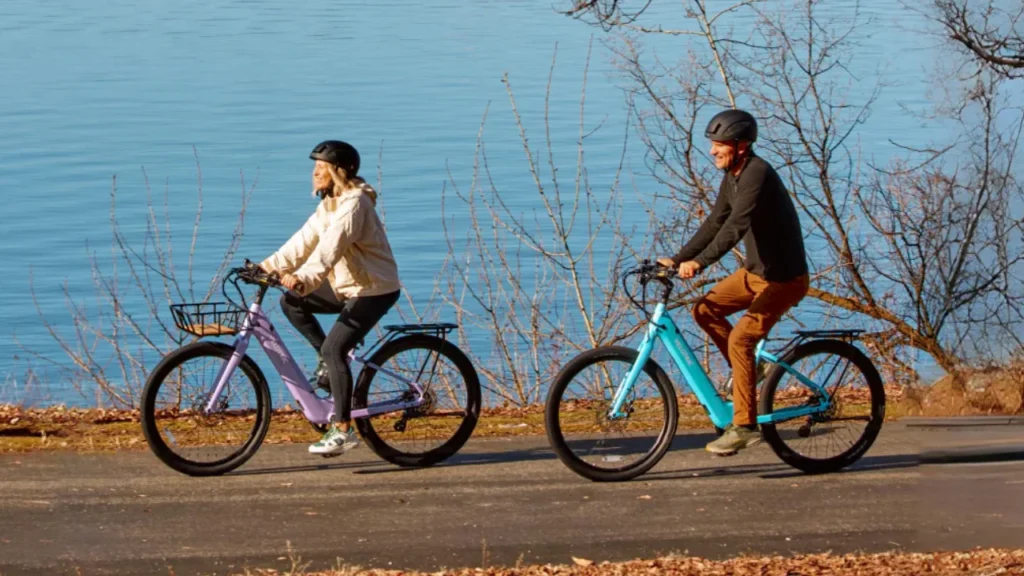
Shipped as a Class 2 e-bike with a 20 mph top speed, the Breeze 1 can be adjusted through the app to Class 1 or Class 3 settings, pushing the top assisted speed to 28 mph. Riders who want a general sense of how fast electric bikes typically go will find the Breeze 1 sits comfortably at the upper end once unlocked. Those specifically interested in throttle-equipped commuters may want to browse the best Class 2 electric bikes on the market for comparison. Given the speeds this bike is capable of reaching once adjusted, pairing it with a properly fitted helmet is always a smart move, regardless of how light and approachable the frame feels.
Safety Features
The Breeze 1’s safety package covers the essentials for daily riding, with a few standout extras:
- Tektro hydraulic disc brakes: Consistent stopping power in wet or dry conditions, backed by 180mm rotors front and rear.
- Integrated lights with turn signals: The 400 lumen front headlight and rear twin taillights include brake and turn signal functions, a genuinely useful feature for riding in traffic.
- UL 2849 and UL 2271 certification: Covers the full electrical system and battery cell, a meaningful safety differentiator in the lightweight e-bike category.
- IPX6/IPX7 water resistance: Protects the bike and battery from rain and wet-weather riding, and it’s worth reading up on whether it’s safe to ride an electric bike in the rain before relying on this bike for consistently damp commutes.
- Built-in horn: A small but genuinely useful addition for alerting pedestrians and other riders.
HONEST CONCERN: The lack of a suspension fork means more road vibration reaches the rider on rough pavement. Given the speeds this e-bike is capable of reaching, especially in Class 3 mode, riders should treat safety gear as a non-negotiable part of ownership regardless of how light and approachable the bike feels.
Smart Security & Anti-Theft
Electric bike theft is a real concern in most cities, and the Breeze 1 doesn’t come with a built-in lock or dedicated GPS tracker straight out of the box.
What it does offer is Apple Find My integration, which is a genuinely useful middle ground. Setting it up through the Velotric app is straightforward, and it gives iPhone users a real shot at locating the bike if it’s ever stolen, without needing a separate tracking subscription. At $1,799, it also holds up well against other options on our list of the best electric bikes under $2,000, especially once you factor in the SensorSwap flexibility and low overall weight.
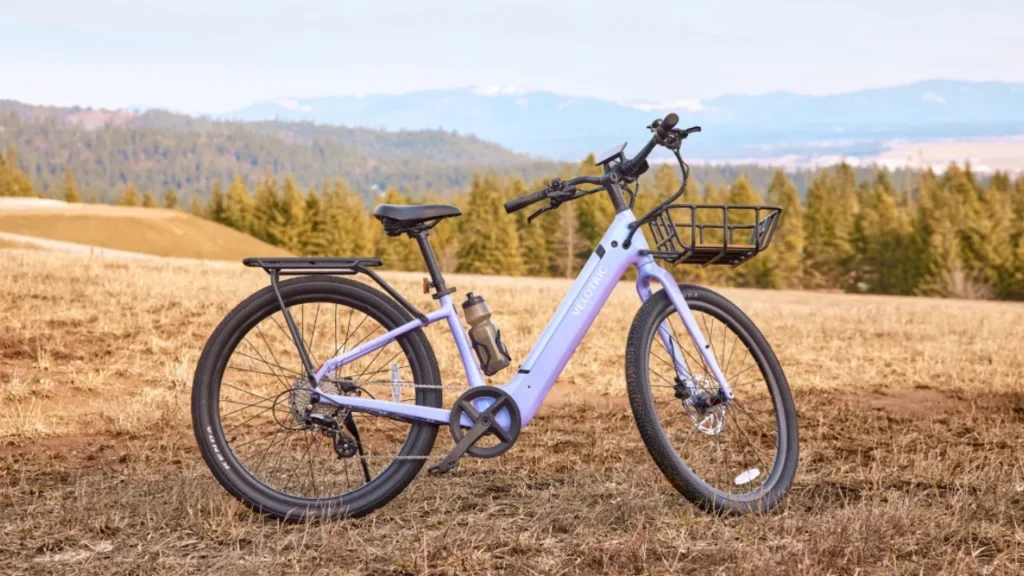
Real-world security strategy: Since the Breeze 1 doesn’t include a native lock, pairing it with a quality U-lock is the sensible move, especially for anyone locking up in public for extended periods. Riders who want to add cargo capacity back should also check out general accessory recommendations built for delivery drivers, since many of the same rack and storage principles apply here given the Breeze 1 ships without one standard. It’s also worth comparing this bike directly against its heavier sibling, the Velotric Discover 3, if you’re deciding between the two.
Head-to-Head Competitor Comparison
| Feature | Velotric Breeze 1 | Velotric Discover 3 | Aventon Pace 500.3 |
| Motor | 750W Rated / 1,150W Peak | 750W Rated / 1,200W Peak | 500W Rated |
| Motor Torque | 65 Nm | 75 Nm | Not published |
| Sensor Type | Switchable Torque/Cadence | Switchable Torque/Cadence | Cadence Sensor |
| Battery | 48V, 627Wh | 48V, 705.6Wh | 48V, 460.8Wh |
| Range | Up to 70 miles | Up to 80 miles | Up to 60 miles |
| Brakes | Hydraulic Disc | Hydraulic Disc | Hydraulic Disc |
| Suspension | Rigid Fork | Hydraulic Suspension Fork | Rigid Fork |
| Frame Type | Low Step-Thru, Two Sizes | Low Step-Thru, Two Sizes | High-Step, Two Sizes |
| Top Speed | 20 mph (Adj. to 28 mph) | 20 mph (Adj. to 28 mph) | 28 mph (Class 3) |
| Payload | 330 lbs | 440 lbs | 300 lbs |
| Weight | 48 lbs | 69-70 lbs | 54 lbs |
| Included Extras | None Standard | Rack and Fenders Included | None Standard |
| Price | $1,799 | $1,999 | $1,599 |
The Breeze 1 wins clearly on weight, giving up nothing in torque-to-weight ratio despite weighing over 20 lbs less than its own sibling, the Discover 3. Its SensorSwap technology also matches the more expensive Discover 3, offering the same flexibility in a lighter, more maneuverable package.
The Discover 3 counters with a bigger battery, more torque, and a suspension fork, making it the better pick for riders who prioritize comfort and range over weight. The Aventon Pace 500.3 comes in cheaper but with a smaller motor and a single cadence sensor, putting it a tier below on both power and refinement. For riders who want the lightest, most nimble electric bike without sacrificing real power, the Breeze 1 still makes the strongest case.
Final Thoughts
The Velotric Breeze 1 remains one of the best-balanced lightweight electric bikes you can buy for around $1,800 in 2026. Its strong torque-to-weight ratio, dual-sensor flexibility, and genuinely impressive range come together into a package that’s hard to match for riders who value portability without sacrificing power.
The lack of a suspension fork and the absence of a standard rear rack are the two things worth thinking through before buying. Neither is likely to be a dealbreaker for most commuters and casual riders, but they’re worth weighing against your own priorities around comfort and cargo capacity. If your rides mostly stick to paved streets and you value being able to lift, carry, or maneuver your bike with ease, the Breeze 1’s weight advantage alone makes it worth serious consideration.
For riders who want the lightest, most approachable electric bike that still delivers real motor power, the Breeze 1 remains one of the easiest recommendations in its category right now.